
The allure of luck in gambling
The concept of luck is often romanticized in the realm of gaming, making it a central theme in various narratives surrounding casinos. Many players enter these establishments with dreams of striking it rich, convinced that luck will be their guiding force, especially when they seek out a fast withdrawal casino uk to enhance their experience. This allure creates an emotional connection between players and the games they engage with, leading to heightened excitement and anticipation. However, while luck may play a role in the short term, the reality of casino gambling is far more intricate than mere chance.
Casinos are meticulously designed with odds that favor the house. Each game is crafted to ensure that, over time, the establishment will earn a profit. This means the role of luck is often overstated; while winning streaks can occur, they are statistically unlikely to lead to long-term success. Players may find themselves chasing the illusion of luck, investing more time and money than is wise in games that are inherently stacked against them, ultimately leading to frustration and loss.
This dynamic between luck and the house edge raises a crucial question: if luck is not the reliable ally many believe it to be, what truly drives the gambling experience? For many players, the thrill of the game and the social interactions found within the casino environment can outweigh the statistical improbabilities. Thus, while luck may indeed influence individual outcomes, it is often overshadowed by a deeper understanding of probabilities and the structural realities of the games themselves.
The psychology behind luck and gambling
The psychology of gambling is intricately tied to the belief in luck. Players frequently develop personal narratives about their experiences, assigning meaning to certain outcomes and rituals they believe bring them good fortune. These narratives create a psychological reinforcement loop, compelling players to return to the casino, motivated by the possibility of repeating earlier successes. This phenomenon is closely linked to the cognitive bias known as the ‘gambler’s fallacy,’ where players mistakenly believe that past outcomes can influence future events, leading to irrational betting patterns.
Moreover, psychological factors contribute to the misconception of luck as a controllable element within the gaming experience. Many gamblers engage in superstitious behaviors, such as wearing lucky charms or following specific routines, convinced that these practices will enhance their chances of winning. Such behaviors highlight the importance of understanding luck not merely as a random force but as a psychological construct that significantly impacts player decisions and actions. This interplay between psychology and perceived luck can often result in irrational spending and persistent gambling despite accumulating losses.

This reliance on luck not only affects individual players but also shapes the broader gambling culture. New entrants to the casino may approach with inflated expectations, influenced by personal anecdotes and media portrayals that glorify the notion of luck. They may envision themselves as the next big winner, propelled by tales of sudden fortune. This mindset perpetuates a cycle where players are fueled by hope, often leading to disillusionment when luck does not favor them, underscoring the need for better education regarding the mathematical realities of gambling.
The role of skill versus luck
While luck undeniably plays a significant role in gambling, the balance between skill and chance varies dramatically depending on the game being played. For instance, table games like poker and blackjack require a considerable level of skill and strategy, allowing players to influence outcomes through their decisions. In these games, skilled players can manage risks and employ strategies that enhance their chances of winning over time, illustrating that skill can sometimes outweigh luck in achieving success.
In stark contrast, games of pure chance, such as slot machines or roulette, depend entirely on luck. The outcome of every spin or roll is predetermined by random number generators or the mechanics of the game, leaving no room for player influence. This dichotomy emphasizes the varying roles that luck plays across the gambling spectrum, highlighting that not all games are created equal. Therefore, players who engage in skill-based games often have the opportunity to refine their strategies and enhance their winning potential, while those who rely solely on luck may find themselves restricted by the inherent house edge.
Understanding the balance between skill and luck is essential for promoting responsible gambling. Players who recognize the element of skill in their chosen games are better positioned to make informed decisions, potentially mitigating losses while maximizing their entertainment value. Conversely, those who depend solely on luck may find themselves on a precarious path of chasing losses and developing unhealthy gambling habits. Recognizing the interplay between these elements can lead to a more balanced, enjoyable, and sustainable gaming experience.
The influence of house edge
The house edge is a fundamental concept in casino gambling, serving as a reminder of the mathematical realities that underpin every game. This percentage reflects the advantage that the casino holds over players, ensuring that, over time, the house will always profit. A clear understanding of the house edge is vital for players engaging in gambling with realistic expectations, as it highlights the limitations of luck in the long term. Each game carries its own house edge, significantly influencing players’ chances of success.
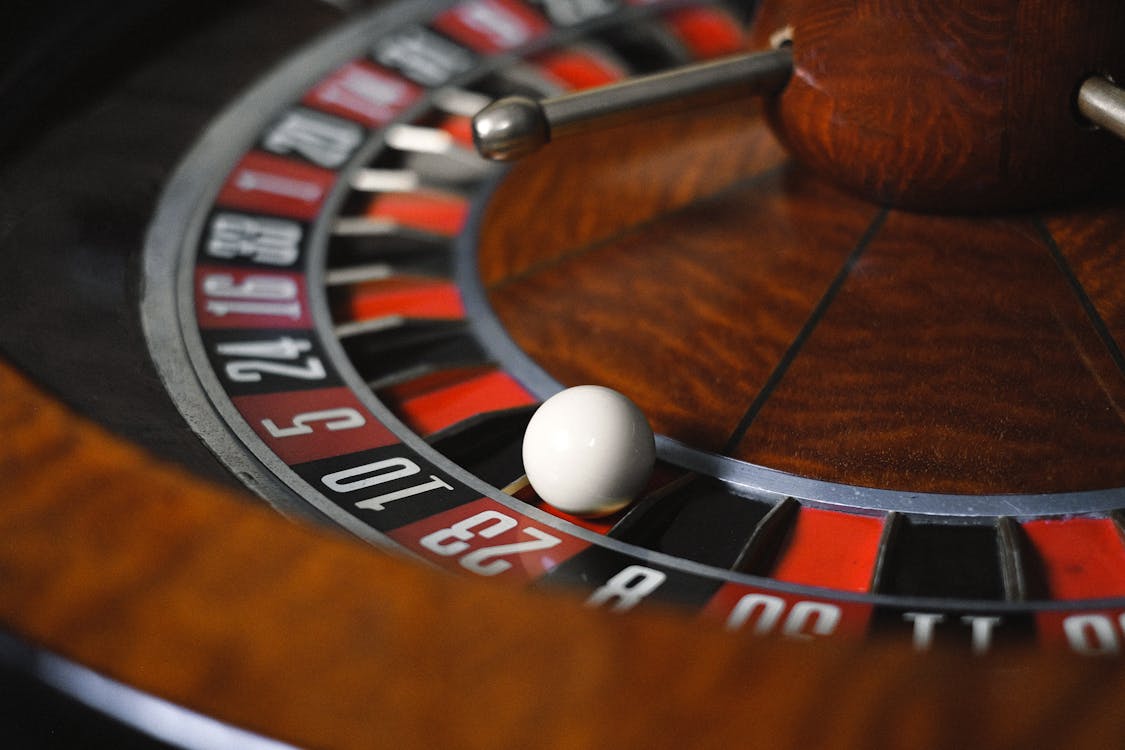
For example, while a player may experience fleeting moments of luck leading to substantial wins, the house edge is meticulously designed to ensure that such outcomes are exceptions rather than the norm. This reality reinforces the notion that while luck can produce immediate gratification, it cannot alter the foundational mathematics of the games. As a result, players should approach gambling with a clear understanding of the odds, recognizing that luck may be a temporary phenomenon, but the house edge is a constant and unwavering presence.
Ultimately, the influence of the house edge serves as a crucial reminder for players to set limits and maintain a responsible approach to gambling. Being aware of the odds involved can shield players from the fallacy that luck alone will lead to long-term success, promoting a healthier relationship with gambling. By acknowledging the odds and understanding the role of the house edge in each game, players can engage in gambling as a form of entertainment rather than a primary revenue source.
Conclusion and responsible gambling
Exploring the myths surrounding luck in casino gambling reveals a landscape filled with misunderstandings and misplaced beliefs. Recognizing the limitations of luck, the psychological factors at play, and the mathematical realities represented by the house edge can empower players to approach gambling with a more informed perspective. This knowledge is essential for fostering responsible gaming habits, ensuring that gambling remains an enjoyable experience rather than a pathway to financial distress.
In an era where information is readily accessible, players are encouraged to educate themselves about the games they play, the odds involved, and the interplay between luck and skill. By adopting a balanced approach and acknowledging the nature of chance, players can make informed decisions that lead to a sustainable and enjoyable gambling experience. Understanding the myths surrounding luck can transform how individuals engage with casino gambling, emphasizing enjoyment and moderation over the relentless pursuit of fortune.
For those seeking more resources on responsible gambling and insights into the intricacies of casino games, exploring reputable websites can provide valuable information. Many platforms offer educational content aimed at informing players about the nuances of gambling, empowering them to make wise choices. By staying informed and adopting a responsible gambling mindset, players can relish the thrill of the casino while maintaining control over their gambling behavior.